ILLINOIS STATE POLICE SQUAD CAR STRUCK ON I-80
ISP Experiences 4th Move Over Law-Related Crash of 2026
February 17, 2026

FOR IMMEDIATE RELEASE
FEBRUARY 17, 2026
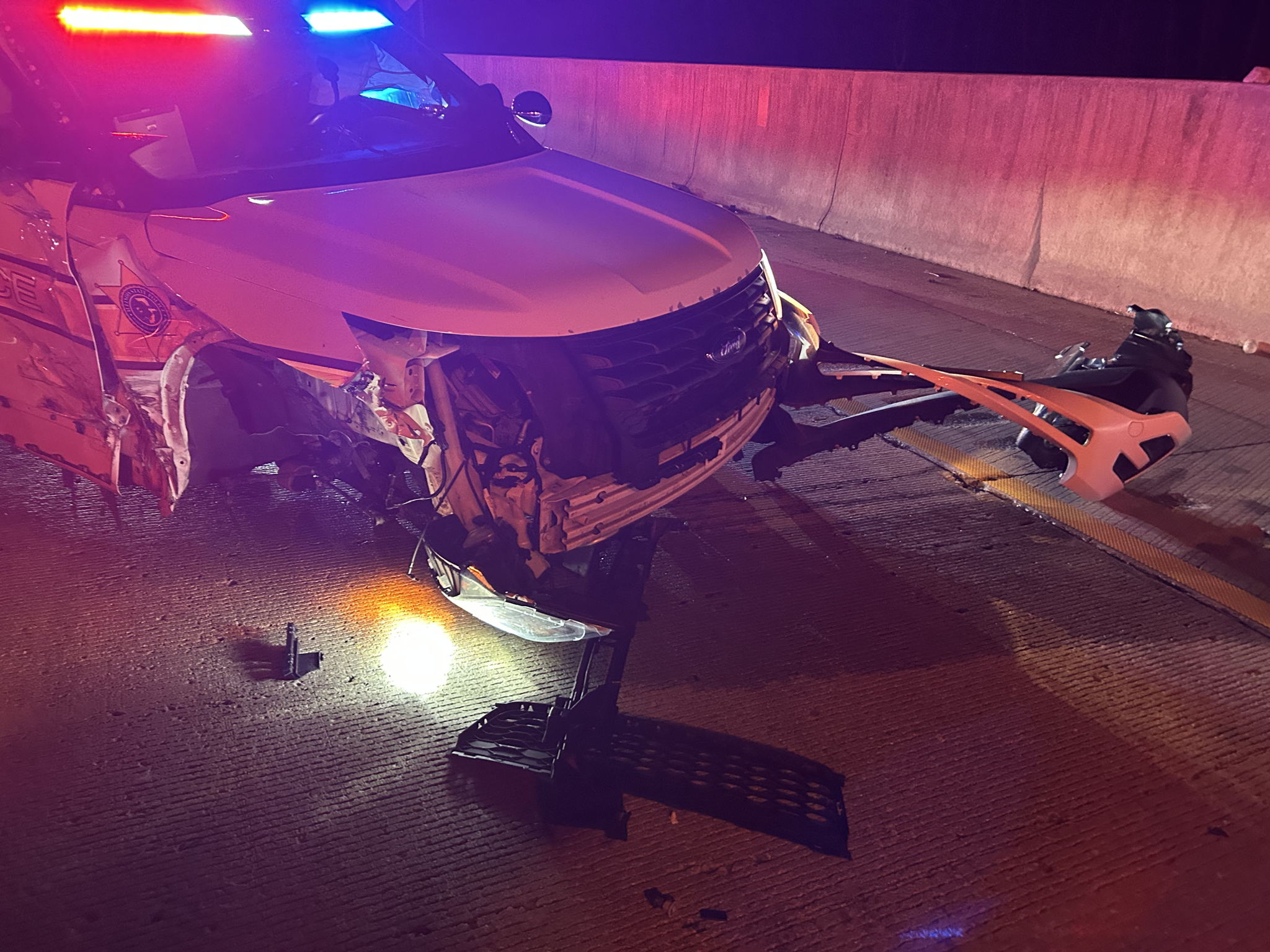
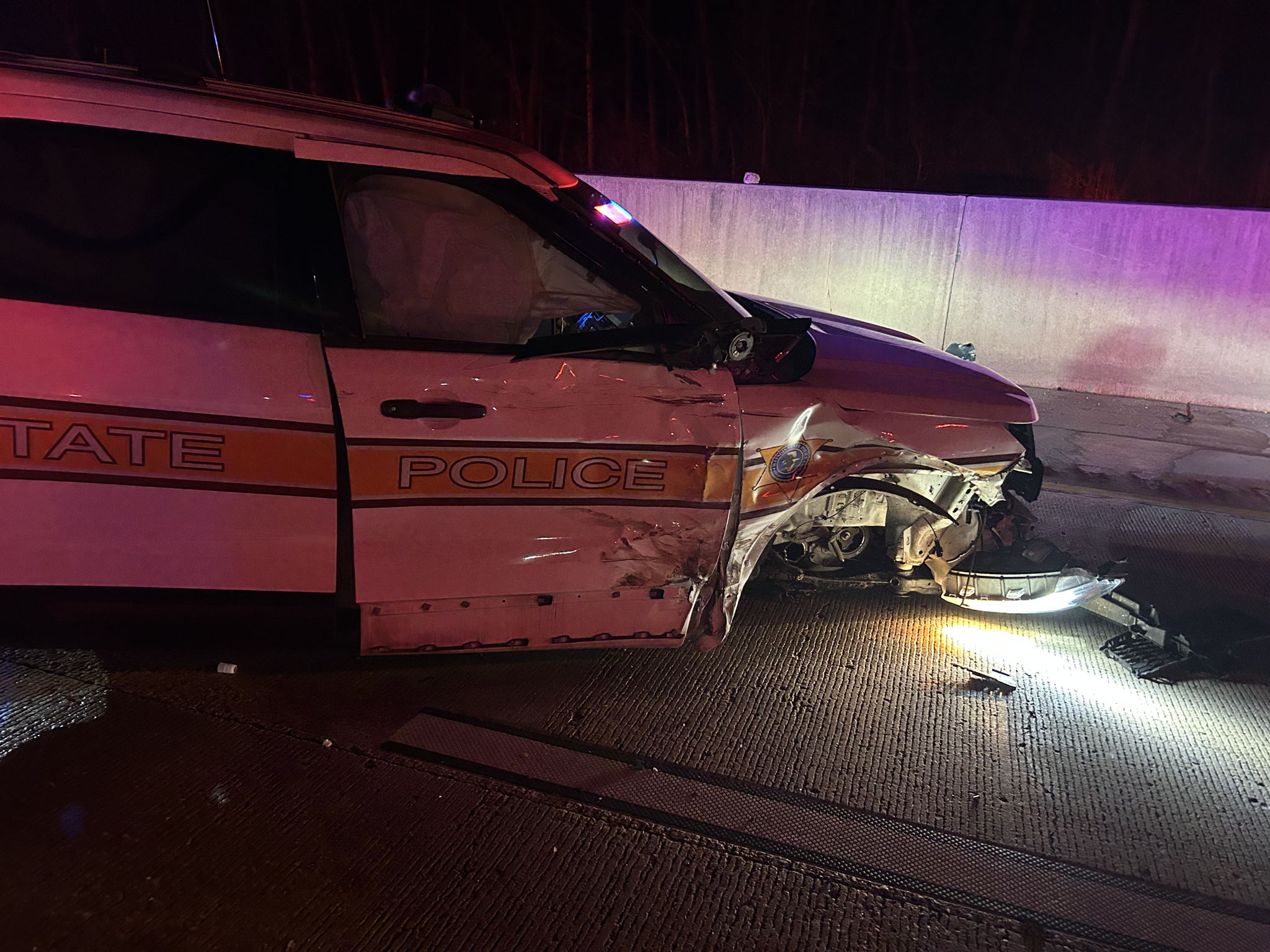
NEW LENOX – An Illinois State Police (ISP) squad car was damaged on I-80 when it was struck by another vehicle during a motorist assist.
On February 15, 2026, at approximately 11:07 p.m., an ISP Trooper was relocating a disabled vehicle partially in the lane to the shoulder of I-80 westbound at milepost 138 near New Lenox with their emergency lights activated. Mercedes-Benz SUV failed to slow down and struck the front right side of the squad car. The driver of the Mercedes-Benz was transported to an area hospital with injuries. The Trooper and driver of the disabled vehicle were inside of their vehicles at the time of the crash and were uninjured. The squad car had to be towed due to disabling damage. The driver of the Mercedes-Benz, 26-year-old Imani Tribett of Oak Lawn, IL, was charged with Failure to Reduce Speed to Avoid an Accident and a Scott’s Law/Move Over Law violation.
So far in 2026, ISP has suffered four Move Over Law-related crashes. In 2025, ISP reported 15 Move Over Law-related crashes with seven Troopers injured. In 2024, ISP had 27 Move Over Law-related crashes with 12 injuries and one death. ISP reminds the public the Move Over Law, also known as “Scott’s Law” in Illinois, requires all drivers to slow down and move over when approaching an emergency vehicle, emergency worker, or any vehicle with its emergency or hazard lights activated.
A person who violates the Move Over Law faces a fine of no less than $250 and no more than $10,000 for a first offense. If the violation results in injury to another person, the violator’s driver’s license will be suspended for a mandatory period of anywhere between six months and two years. Additional information about ISP related crashes can be found at the following link: https://isp.maps.arcgis.com/apps/dashboards/340d57cd956c453da2de25af804c268d.
The charges are not evidence against the defendant, and the defendant is presumed innocent until proven guilty beyond a reasonable doubt in a court of law.
###